
Hillside Retaining Walls in Mission Valley, CA
Trusted Hillside Retaining Walls in Mission Valley, CA for Steep Slopes and Canyon-Adjacent Lots
What Are Hillside Retaining Walls?
Hillside retaining walls are structures specifically engineered to hold back soil on steep grades, typically requiring deeper footings, additional reinforcement, or a tiered configuration compared to walls on flatter terrain.
Construction usually begins with a detailed slope assessment, since steep grades require more careful evaluation of soil type, water flow patterns, and existing stability before a wall design can be finalized.
Behind the wall, drainage systems are designed to handle the increased water volume and velocity typical of hillside sites, often including larger drain pipe, additional gravel backfill, and sometimes surface drainage channels above the wall.
Homeowners generally need this service when developing or stabilizing a steep slope, particularly on canyon-adjacent lots where standard wall designs may not be structurally adequate.
The main benefits are slope stabilization on terrain that would otherwise be prone to erosion or movement, protection for structures above or below the slope, and the ability to create usable space on land that would otherwise remain unusable.
Important considerations include slope angle, soil type, drainage volume, and whether the project requires a single tall wall or a tiered system, since steeper grades often make tiered designs more practical and less costly than one very tall wall.
Types of Hillside Retaining Wall Options Available
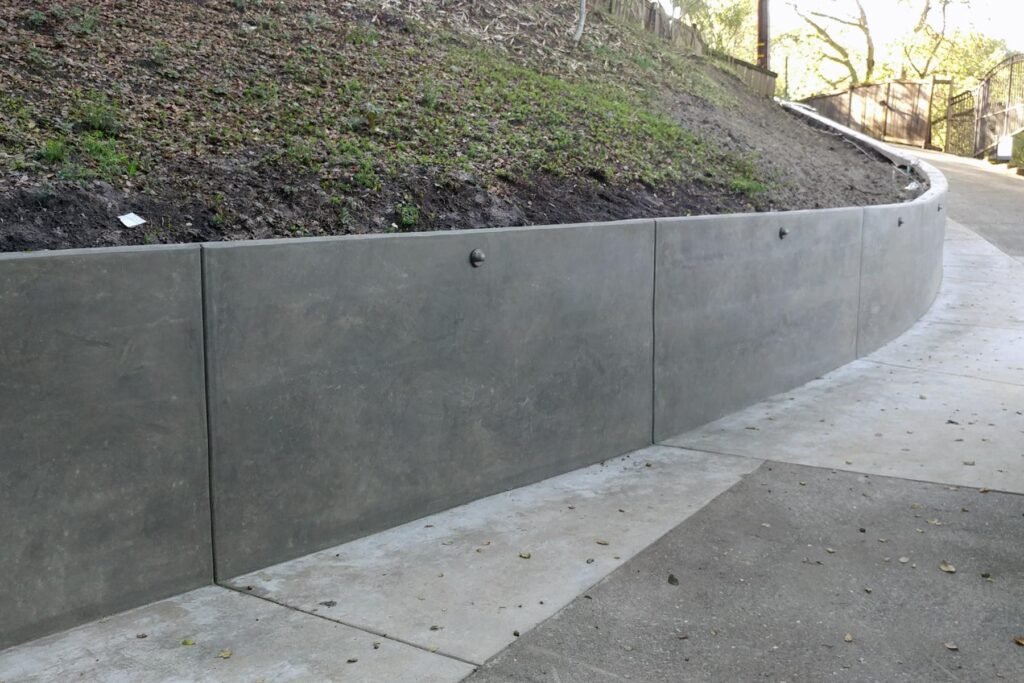
Tiered and Terraced Hillside Wall Systems
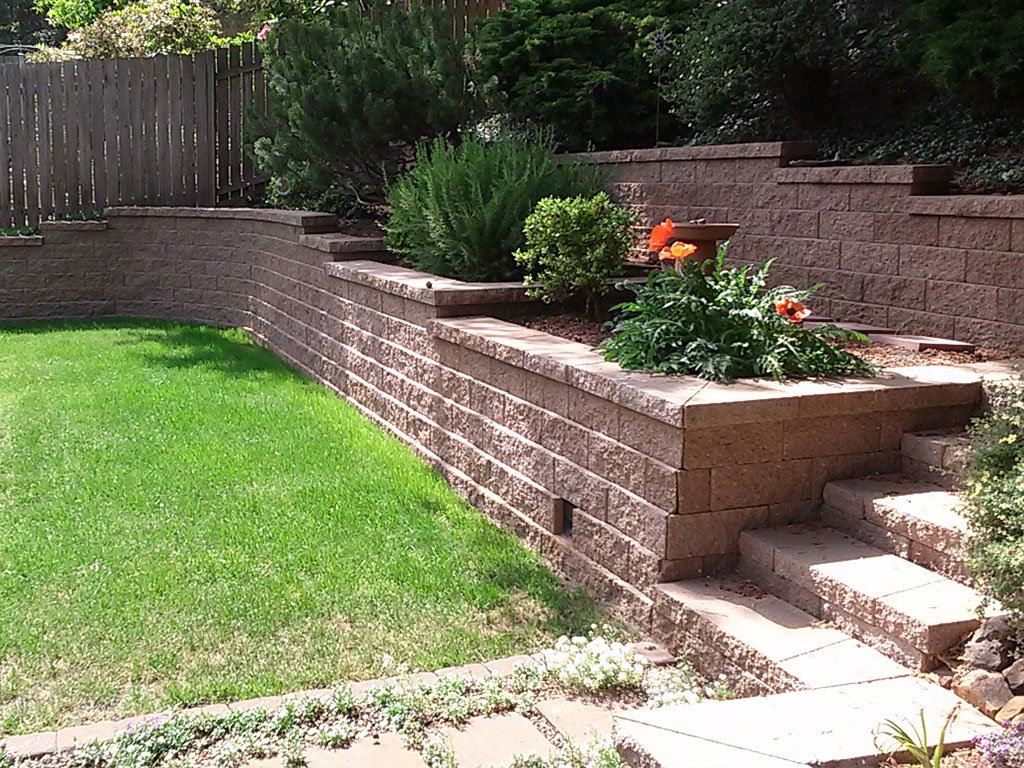
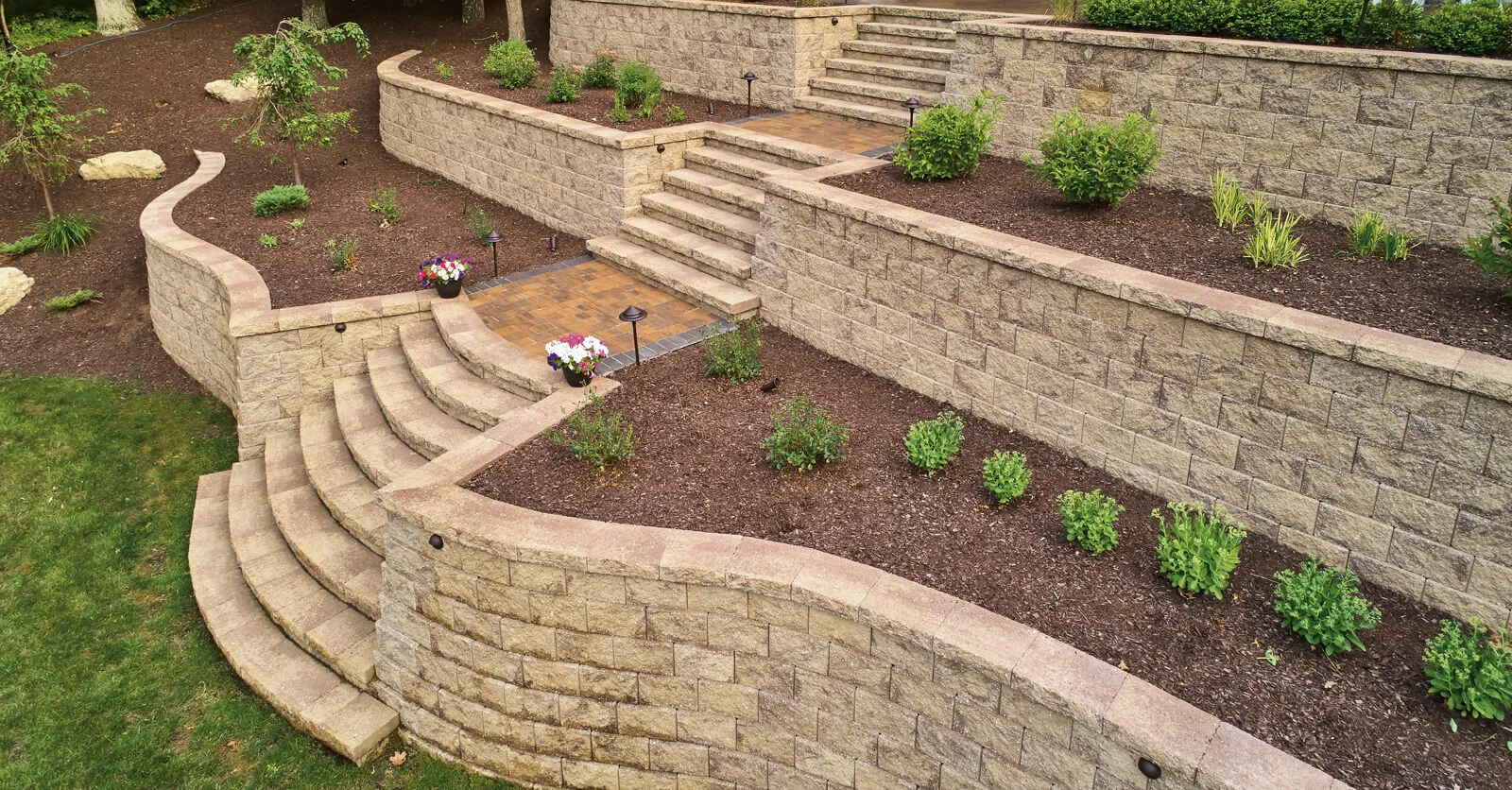
Rather than one tall wall, a tiered system uses multiple shorter walls set back from each other up the slope, with each wall carrying a smaller share of the total soil load.
This is one of the most common approaches for steep Mission Valley hillsides, since it’s often more structurally efficient and cost-effective than a single very tall wall, while also creating multiple usable flat areas.
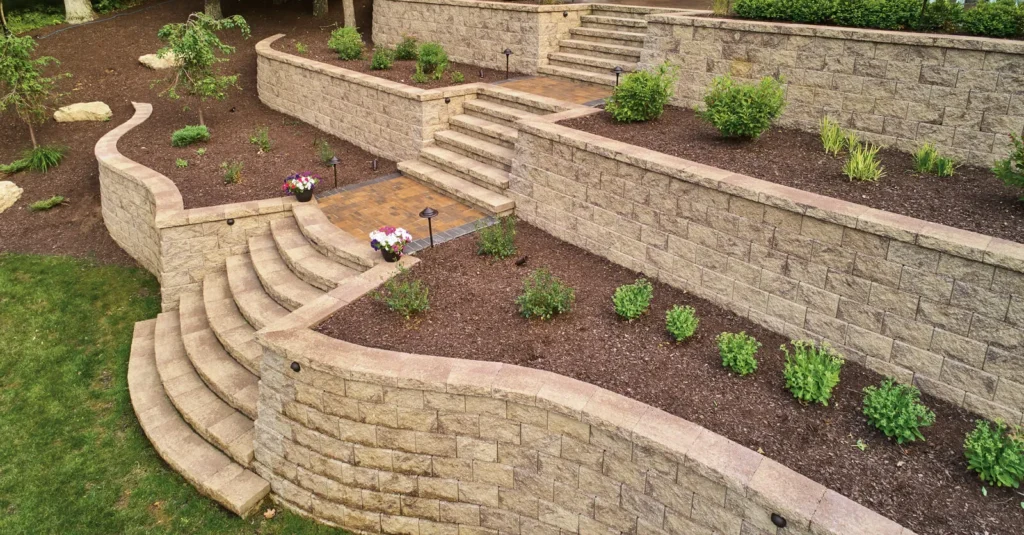
Geogrid-Reinforced Hillside Walls
Geogrid layers are installed within the compacted backfill behind the wall, extending back into the slope to add tensile resistance against soil movement on steep grades.
This reinforcement is commonly required on Mission Valley hillside walls where slope angle exceeds what an unreinforced wall design can safely resist.
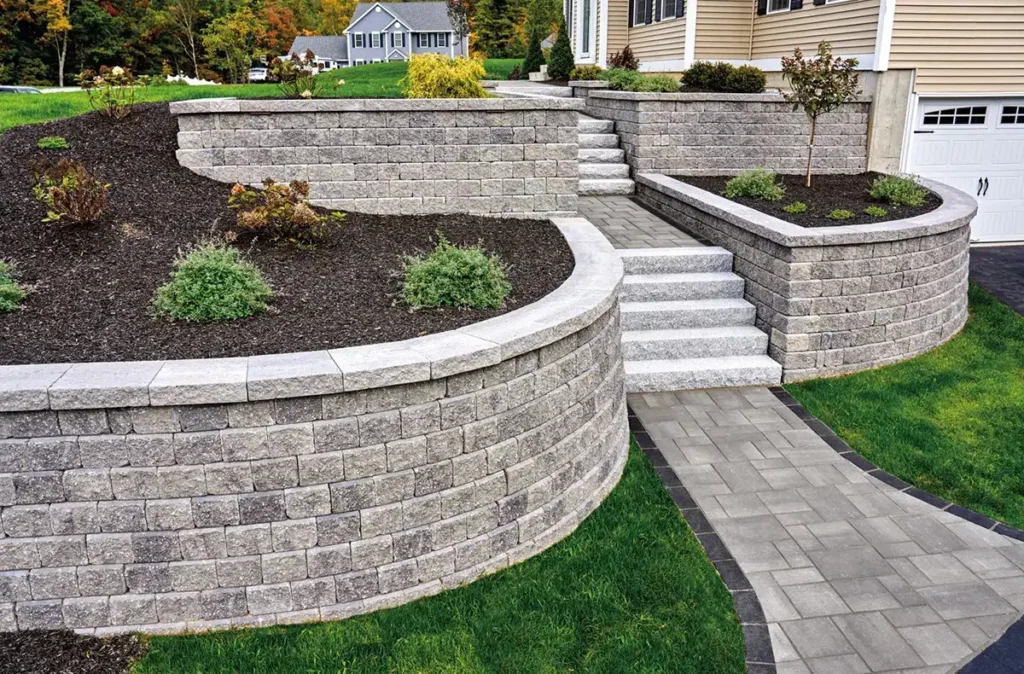
Soil Nail and Anchored Hillside Walls
Soil nails or helical anchors are driven into the slope behind the wall to provide additional resistance against movement, particularly on very steep or unstable terrain.
This approach is typically reserved for the most challenging canyon-adjacent sites where standard footing and backfill reinforcement alone may not provide adequate stability.
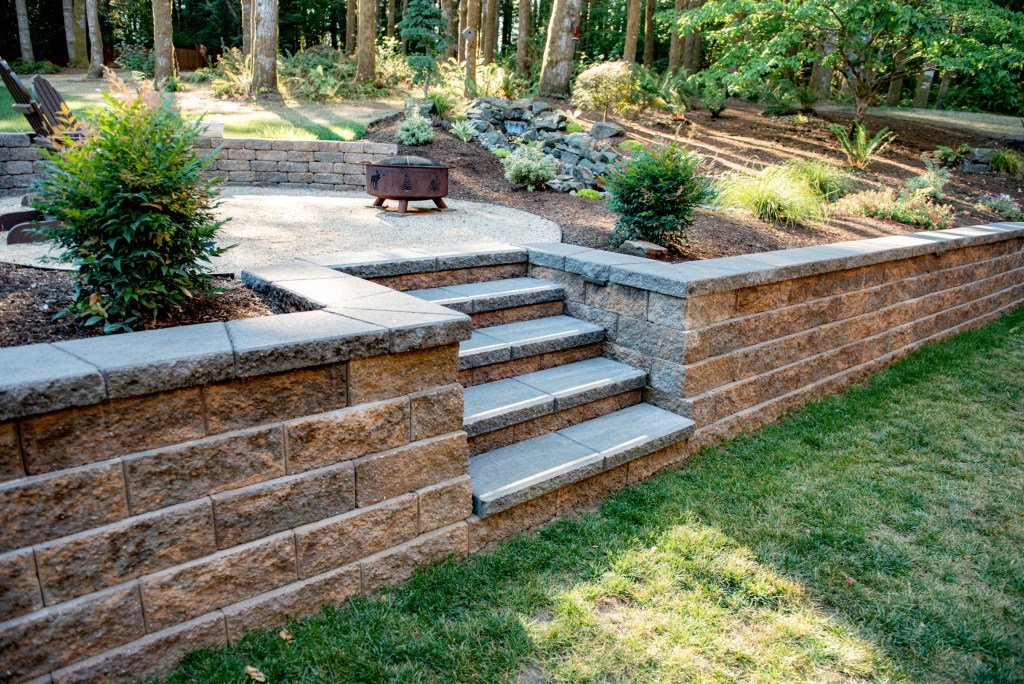
Segmental Block Hillside Walls
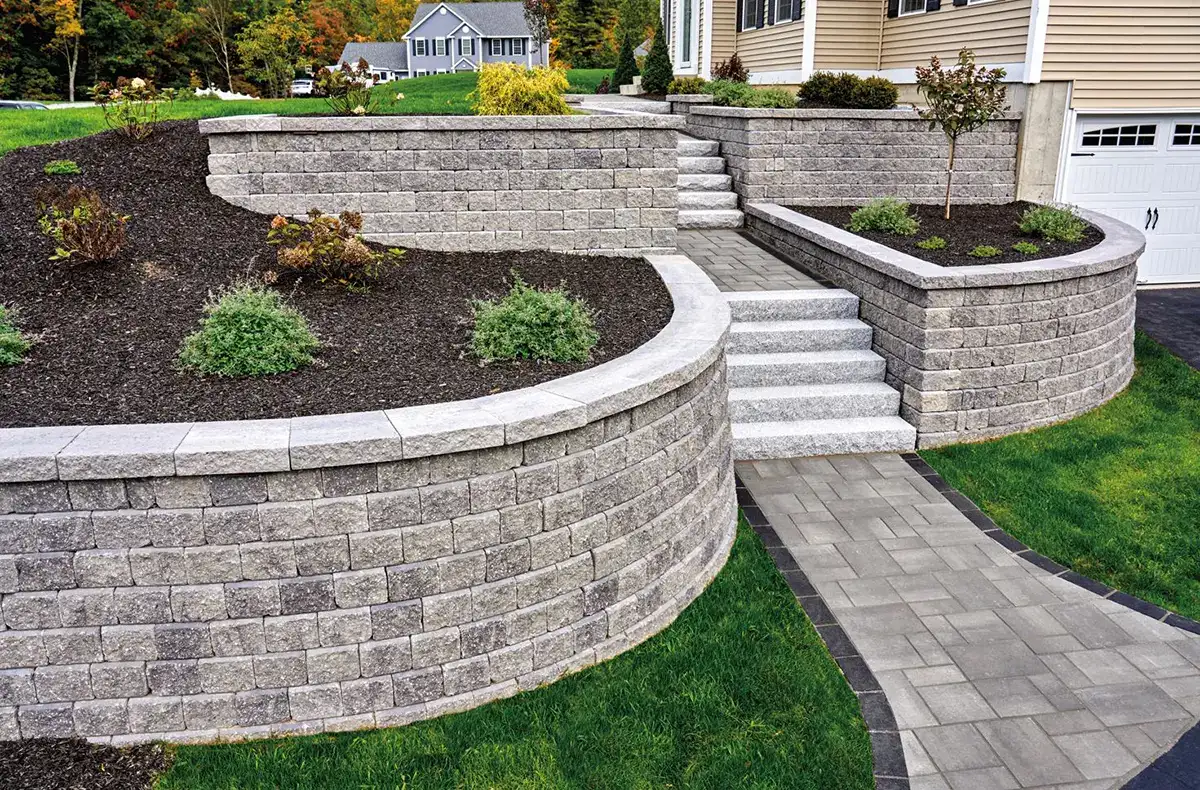
Segmental block systems can be used on hillside applications when paired with appropriate geogrid reinforcement and a properly engineered base to handle the increased soil pressure.
This option offers a balance of structural performance and installation efficiency for moderate hillside slopes that don’t require the most intensive anchoring solutions.
Poured Concrete Hillside Walls
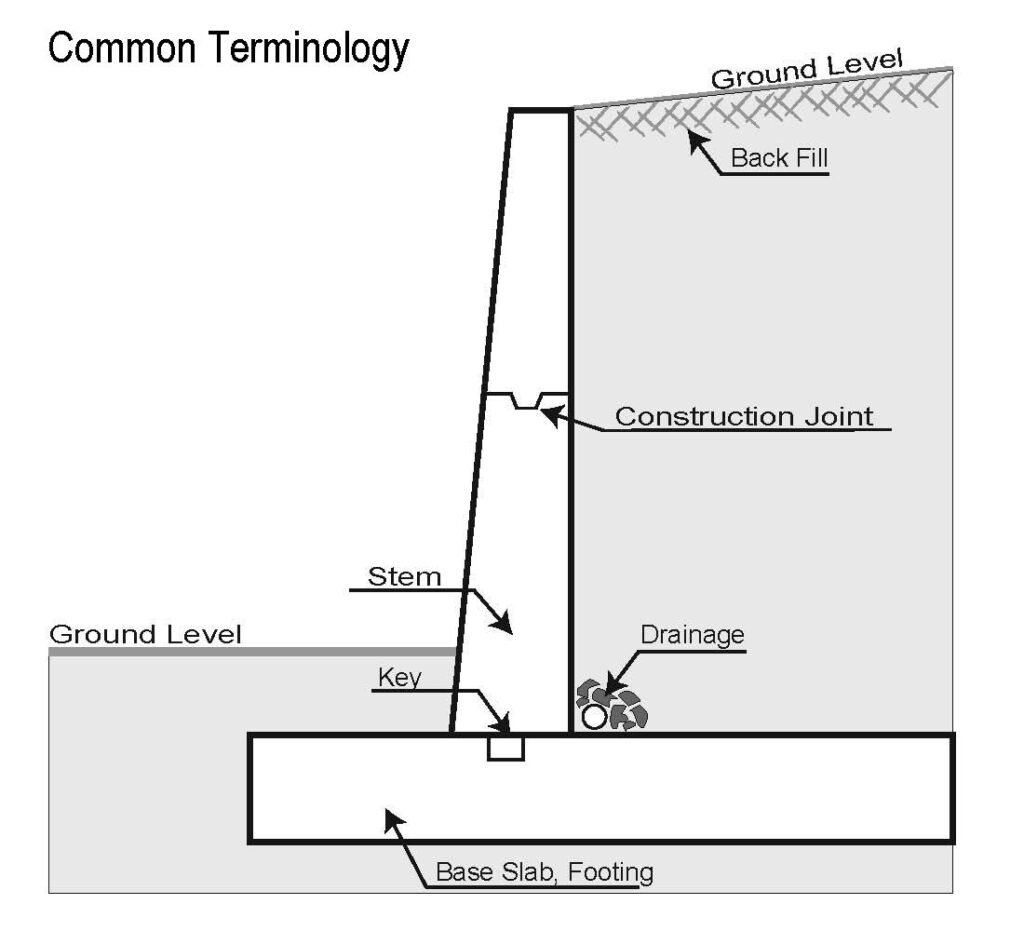
Poured concrete, particularly reinforced or cantilevered designs, is often specified for hillside applications where maximum strength is needed to resist steep-slope soil pressure.
This approach suits the steepest Mission Valley canyon-adjacent sites, where concrete’s strength and design flexibility can be engineered precisely to the slope’s specific demands.
Erosion Control and Slope Stabilization Systems
In some cases, a full retaining wall isn’t the only solution needed; erosion control measures like surface drainage channels, slope netting, or vegetation stabilization work alongside the wall to protect the broader hillside.
This combined approach is common on larger Mission Valley canyon-adjacent properties where the retaining wall addresses the immediate grade change while surrounding measures protect the slope above and below it.
Benefits of Hillside Retaining Walls for Mission Valley Homeowners
Improves Property Functionality
A hillside retaining wall can convert steep, unusable terrain into flat, functional space, which is particularly valuable on Mission Valley's canyon-adjacent lots where buildable area is often limited.Tiered hillside wall systems can create multiple usable areas up a slope instead of a single flat zone, maximizing the functional space gained from the property's terrain.
Helps Manage Slopes and Soil Movement
Steep slopes are inherently more prone to soil movement than gentler grades, since gravity has a stronger pull on saturated soil at higher angles.Hillside retaining wall designs, whether tiered, reinforced with geogrid, or anchored with soil nails, are built specifically to resist this increased pressure on canyon-adjacent Mission Valley properties.
Improves Drainage and Erosion Control
Hillside drainage systems are designed to handle the higher water volume and velocity typical of steep terrain, directing water safely away rather than letting it concentrate against the wall or erode the slope face.This is especially important during Mission Valley's winter rain season, when steep grades can channel significant runoff toward a retaining wall in a short period.
Enhances Outdoor Appearance
A well-designed tiered hillside wall system can transform a steep, eroding slope into an attractive terraced landscape with planting areas, seating, or pathways built into each level.This approach allows homeowners to work with the natural grade of their property rather than against it, creating a more integrated overall landscape design.
Adds Long-Term Property Value
Stabilizing a hillside protects the structures, landscaping, and usable space above and below the slope, which is a significant consideration for canyon-adjacent Mission Valley properties.A properly engineered hillside wall system can be a meaningful factor for buyers evaluating a steep lot, since it demonstrates that slope stability has been professionally addressed.
Let's Start Your Retaining Wall Project in Mission Valley
Let’s chat about your ideas! Getting started is easy – simply reach out with details about your retaining wall project, and we’ll connect you with qualified, licensed contractors.
Hillside Retaining Walls in Mission Valley, CA
Mission Valley is a centrally located San Diego neighborhood defined by its river valley setting and the steep canyon slopes that border much of the surrounding terrain. This geography makes hillside retaining walls one of the most structurally demanding but essential services for properties along the valley’s steeper edges.
Mission Valley at a Glance
- Location: Central San Diego, along the San Diego River valley
- Terrain: River valley floor bordered by steep canyon slopes and hillside grading
- Climate: Mediterranean climate with a distinct wet season bringing periodic heavy rainfall
- Housing: A mix of older hillside homes, newer graded developments, and dense residential and commercial construction
Areas We Serve
In addition to Mission Valley, hillside retaining wall services extend to nearby San Diego communities, including Point Loma, Hillcrest, Pacific Beach, Coronado, La Jolla, Clairemont, University City, and Mira Mesa.
Why Mission Valley Hillside Properties Often Need Specialized Retaining Walls
Canyon-adjacent and hillside lots in Mission Valley experience significantly more soil pressure per linear foot of wall than flatter properties, which is why standard wall designs often aren’t sufficient on the steepest grades.
Water flow is a major factor on hillside sites specifically, since steep terrain sheds rainfall quickly and can concentrate significant runoff volume against a wall during a single storm event.
Soil movement on hillside lots tends to be more consequential than on flatter terrain, since a failure at higher elevation can affect structures and landscaping across a larger area below the slope.
Hillside wall systems also support broader property planning goals, giving homeowners on Mission Valley’s steepest lots the ability to safely develop and use terrain that would otherwise remain unstable or inaccessible.
How Much Do Hillside Retaining Walls Cost in Mission Valley?
Typical Project Cost Ranges
| Project Type | Typical Cost Range | Factors Affecting Price |
|---|---|---|
| Tiered hillside wall system (2-3 tiers) | $25,000 – $65,000 | Number of tiers, total height, drainage design |
| Geogrid-reinforced hillside wall | $20,000 – $50,000 | Slope angle, reinforcement layers, backfill volume |
| Soil nail or anchored hillside wall | $35,000 – $90,000+ | Anchor depth and count, engineering, soil conditions |
| Segmental block hillside wall | $15,000 – $40,000 | Wall height, geogrid needs, site access |
| Poured concrete hillside wall | $30,000 – $75,000+ | Reinforcement, footing depth, excavation |
| Combined wall and erosion control system | $30,000 – $80,000+ | Scope of slope stabilization work, drainage design |
These ranges are broad estimates based on common project scopes. Actual pricing depends on slope angle, soil conditions, and the specific engineering the site requires.
Factors That Affect Hillside Retaining Wall Pricing
Several variables influence what a hillside wall project will cost:
- Slope angle – Steeper grades generally require more reinforcement, anchoring, or a tiered design.
- Wall system type – Tiered, geogrid-reinforced, and anchored systems carry different material and labor costs.
- Excavation – Steep-slope excavation is more time-intensive and often requires specialized equipment.
- Site access – Hillside and canyon-adjacent sites frequently have limited equipment access, increasing labor needs.
- Soil conditions – Unstable or expansive soil can require deeper footings or additional anchoring.
- Drainage requirements – Hillside sites typically need larger, more robust drainage systems to handle concentrated runoff.
- Engineering requirements – Steep-slope projects almost always require engineered plans and geotechnical input.
- Number of tiers – Additional wall tiers add both material cost and construction time.
Local Mission Valley Factors That Affect Cost
Mission Valley’s terrain introduces some project-specific cost factors for hillside wall construction:
- Canyon-adjacent slopes often require more extensive engineering than standard graded lots.
- Steep grades can limit equipment access, requiring more manual labor for excavation and material placement.
- Drainage systems need to be sized for concentrated runoff typical of the region’s steepest terrain.
- Urban hillside access in denser parts of the valley can add logistical challenges for material delivery.
- Existing landscaping and structures near the slope may need protection during construction.
- Soil conditions on hillside lots vary significantly and can affect anchoring and footing requirements.
- Local climate, including seasonal rain, directly affects how drainage and erosion control systems are designed.
Why Detailed Estimates Matter
A detailed estimate for a hillside wall project should clearly outline the engineering approach, whether tiered, reinforced, or anchored, along with drainage design and excavation scope before work begins.
Transparent pricing means understanding exactly what geotechnical and engineering work is included, which helps homeowners avoid unexpected costs once steep-slope construction gets underway.
Why Choose Retaining Wall Installer Mission Valley?
Local Knowledge of Mission Valley Properties
Working regularly in this area means understanding the specific slope conditions, soil behavior, and drainage challenges that define hillside and canyon-adjacent properties throughout Mission Valley.
Quality Materials and Construction Practices
Hillside wall longevity depends on getting the engineering right for the specific slope: proper footing or anchoring depth, correct reinforcement, and drainage systems sized for concentrated runoff. These practices are followed on every project.
Professional Installation Approach
Each hillside project follows a structured process from detailed slope assessment through final inspection, so homeowners understand the engineering behind their specific wall system.
Clear Communication From Start to Finish
Homeowners receive a clear explanation of the engineering approach, reinforcement needs, and pricing before work begins, with clear communication throughout a hillside project’s typically longer timeline.
Homeowner-Focused Service
The goal on every hillside project is a wall system that performs correctly on genuinely challenging terrain, not a standard design applied to a slope it wasn’t built for.
Need Help?
Frequently Asked Questions About Hillside Retaining Walls in Mission Valley
Below are some of the most common questions Our Network get from families about Retaining Wall. If you have any other questions contact us!
How much do hillside retaining walls cost in Mission Valley in 2026?
As of 2026, a segmental block hillside wall typically runs $15,000 to $40,000, a geogrid-reinforced hillside wall runs $20,000 to $50,000, and a soil nail or anchored system on the steepest terrain can run $35,000 to $90,000 or more. Slope angle and the required engineering approach are the biggest cost factors, so a detailed site assessment is essential for accurate pricing.
How is a hillside retaining wall different from a standard retaining wall?
A hillside wall is engineered specifically for steeper grades, which often means deeper footings, geogrid reinforcement, soil nail anchoring, or a tiered design rather than the straightforward footing and backfill approach used on flatter, standard walls. Steep slopes concentrate more soil pressure per linear foot, which changes the engineering approach significantly.
Why are tiered wall systems often recommended for steep hillsides?
A tiered system spreads the total soil load across multiple shorter walls instead of concentrating it in one tall wall, which is often more structurally efficient and can cost 20 to 40 percent less than an equivalent single tall wall while creating multiple usable flat areas.
How long does hillside retaining wall construction take?
A moderate geogrid-reinforced hillside wall can often be completed in 3 to 6 weeks, while a multi-tier system or a project requiring soil nail anchoring can take 6 to 12 weeks depending on slope steepness and site access.
Do hillside retaining walls need larger drainage systems than standard walls?
Yes, typically. Hillside sites often require larger drain pipe, additional gravel backfill volume, and sometimes surface drainage channels above the wall to handle the higher water velocity and volume that steep terrain generates during rain events.
How long do properly engineered hillside retaining walls last?
A hillside wall engineered correctly for its specific slope, soil, and drainage conditions can last 50 to 100 years, similar to standard walls, but this depends heavily on the reinforcement and anchoring being adequate for the grade from the start.
Are permits required for hillside retaining wall construction in San Diego?
Yes, in most cases. Hillside and steep-slope retaining wall projects in San Diego typically require engineered plans and permit review regardless of wall height, given the geotechnical considerations involved, and this should be confirmed with the City of San Diego Development Services Department before construction begins.
Contact Retaining Wall Installer Mission Valley Today
Mission Valley’s steepest canyon-adjacent lots require retaining wall engineering that goes beyond a standard design, and getting that engineering right from the start protects the property for decades. Whether the goal is stabilizing an eroding hillside or developing new usable space on a steep grade, the right approach starts with a thorough site assessment.
A free, no-pressure consultation is available to evaluate the slope, discuss engineering options, and provide a detailed estimate. This service extends to Mission Valley and surrounding communities, including Point Loma, Hillcrest, Pacific Beach, Coronado, La Jolla, Clairemont, University City, and Mira Mesa.