
Retaining Wall Installer in Mission Valley, CA
Retaining wall installation and repair for Mission Valley's riverside flood plain and the sloped hillsides that rise on both sides of the valley — free on-site estimate included.
Mission Valley is a wide, east–west river valley carved by the San Diego River, and that shape defines where retaining walls matter most here. The valley floor around the river is relatively flat but flood-prone, while the northern and southern slopes rising toward neighborhoods like Mission Hills, Hillcrest, and Grantville face real grade change, erosion, and drainage pressure.
We build walls suited to both conditions: drainage-focused walls on the valley floor and slope retention on the hillsides bordering Mission Valley East and West.
Retaining Wall Services in Mission Valley
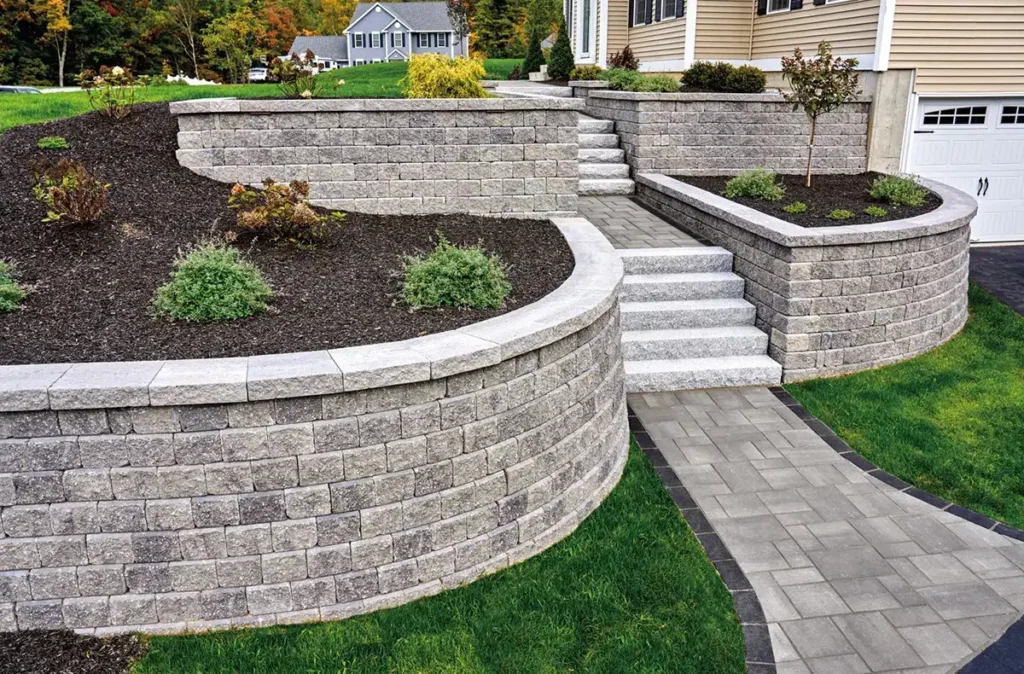
Retaining Wall Installation
New walls for hillside properties along the valley’s northern and southern slopes, and drainage-focused retention for flatter lots closer to the San Diego River. Best for homeowners managing erosion on a valley-slope property or building near the floodplain.
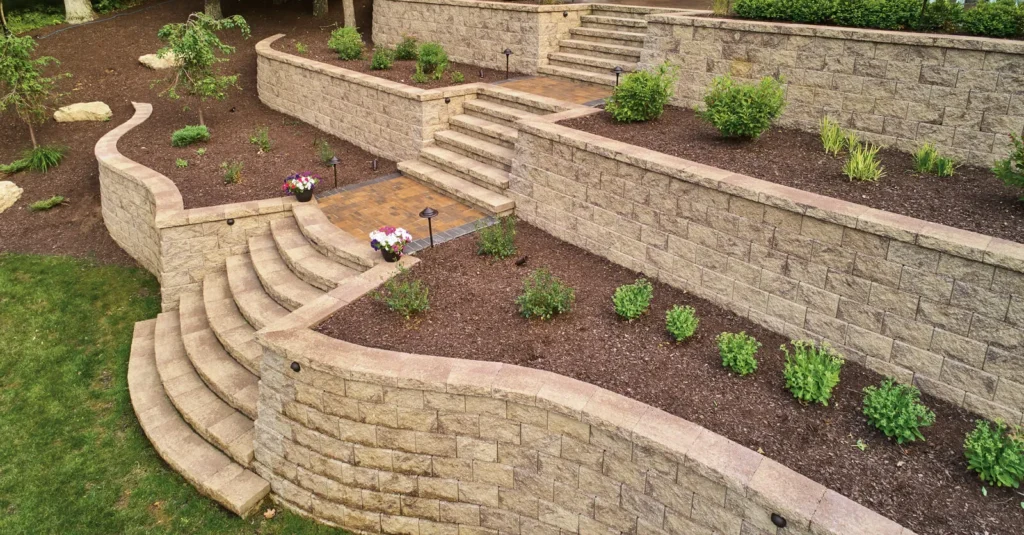
Retaining Wall Repair
Repair for leaning, cracking, or bulging walls, common on older hillside properties bordering the valley where original walls were often built without adequate drainage for the slope.
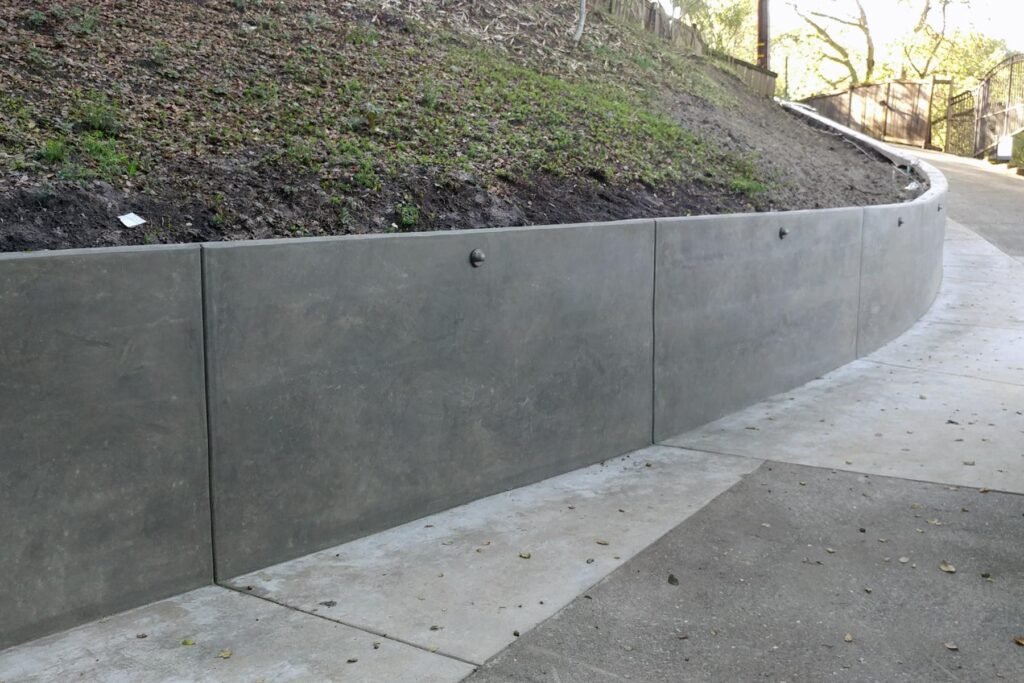
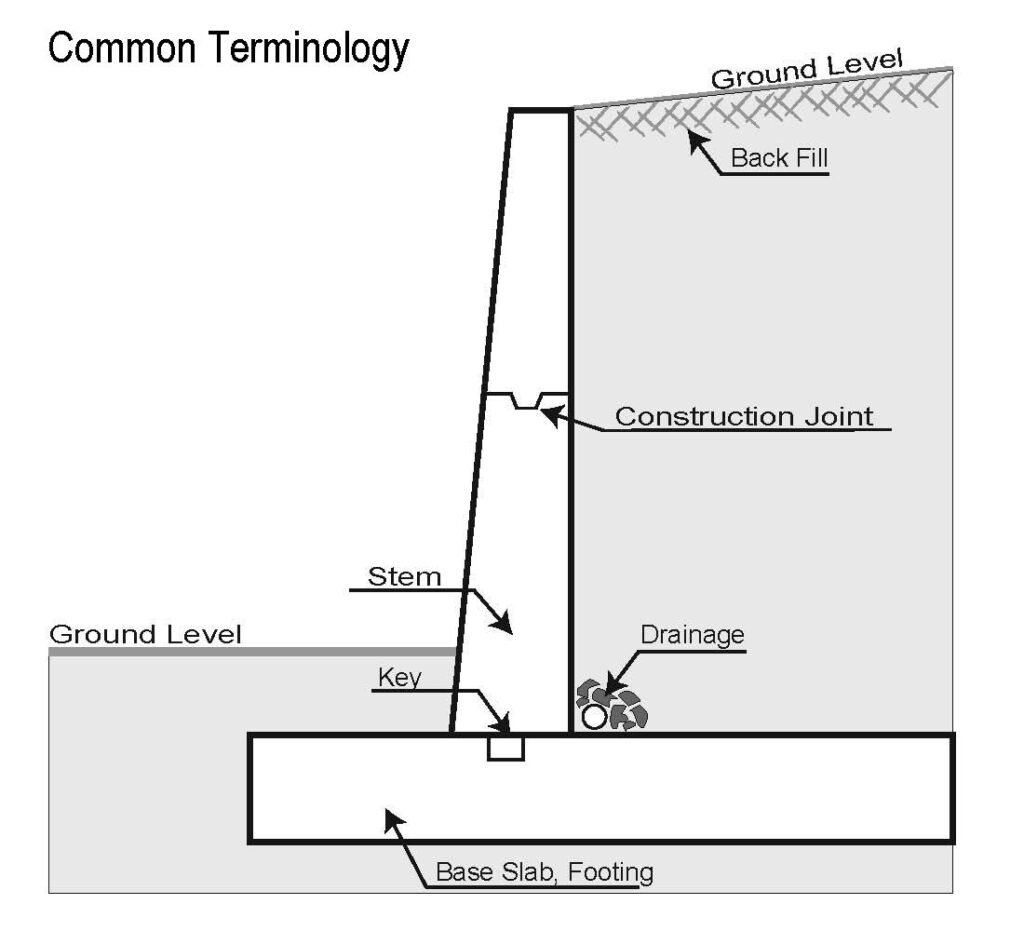
Concrete Retaining Walls
Best for taller walls on the valley’s steeper north and south slopes, where load-bearing strength and long-term durability matter most.
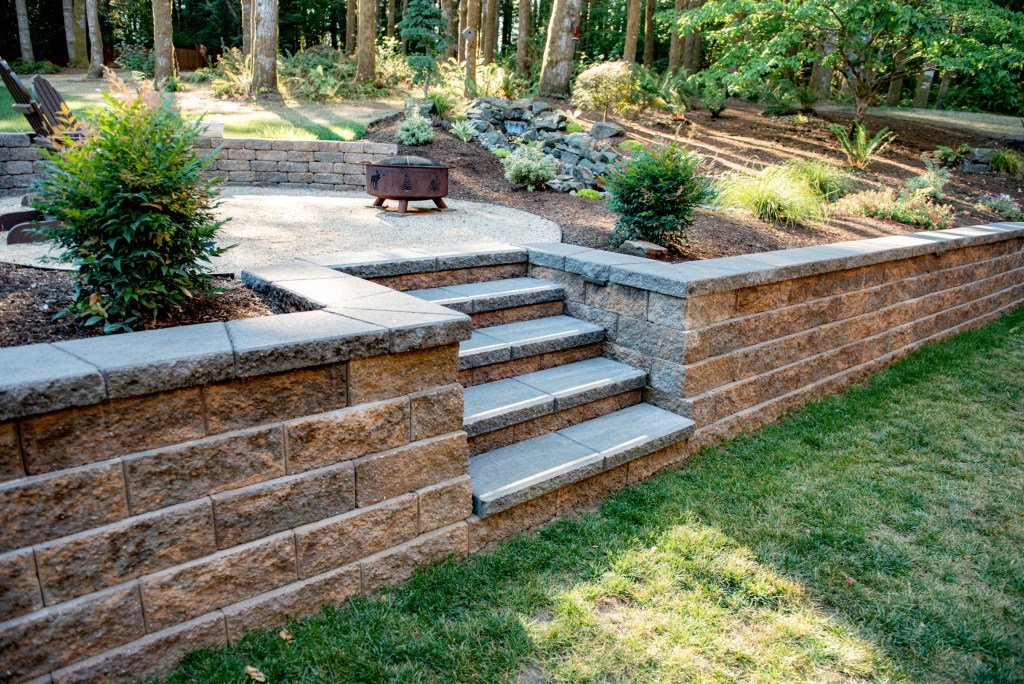
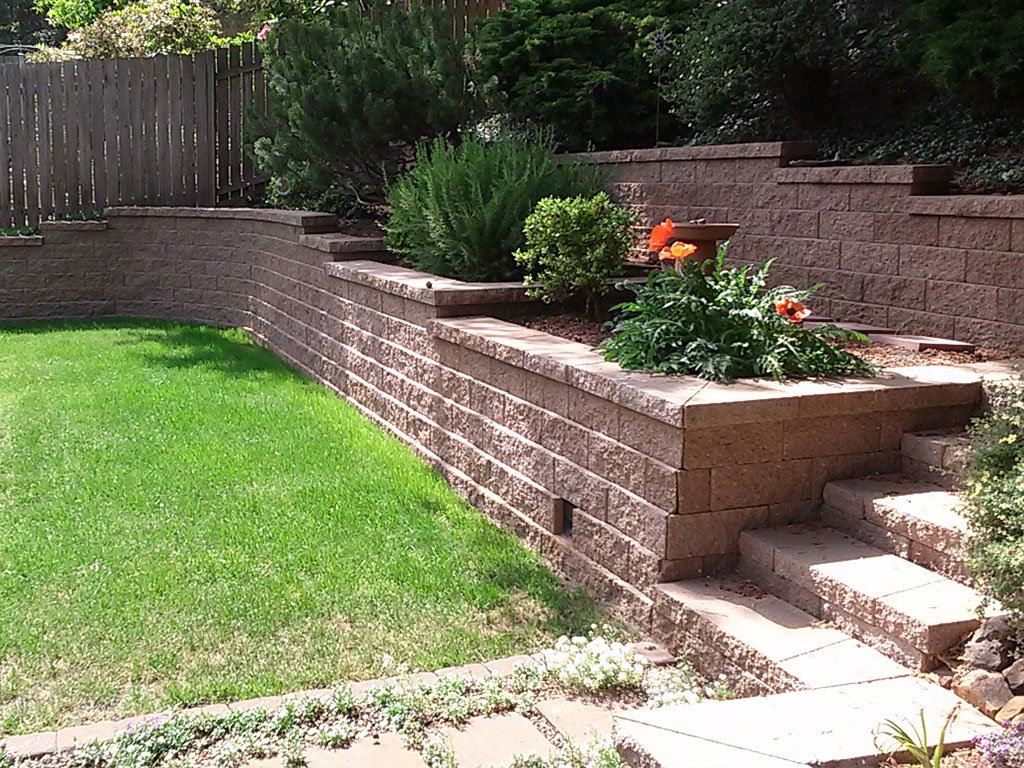
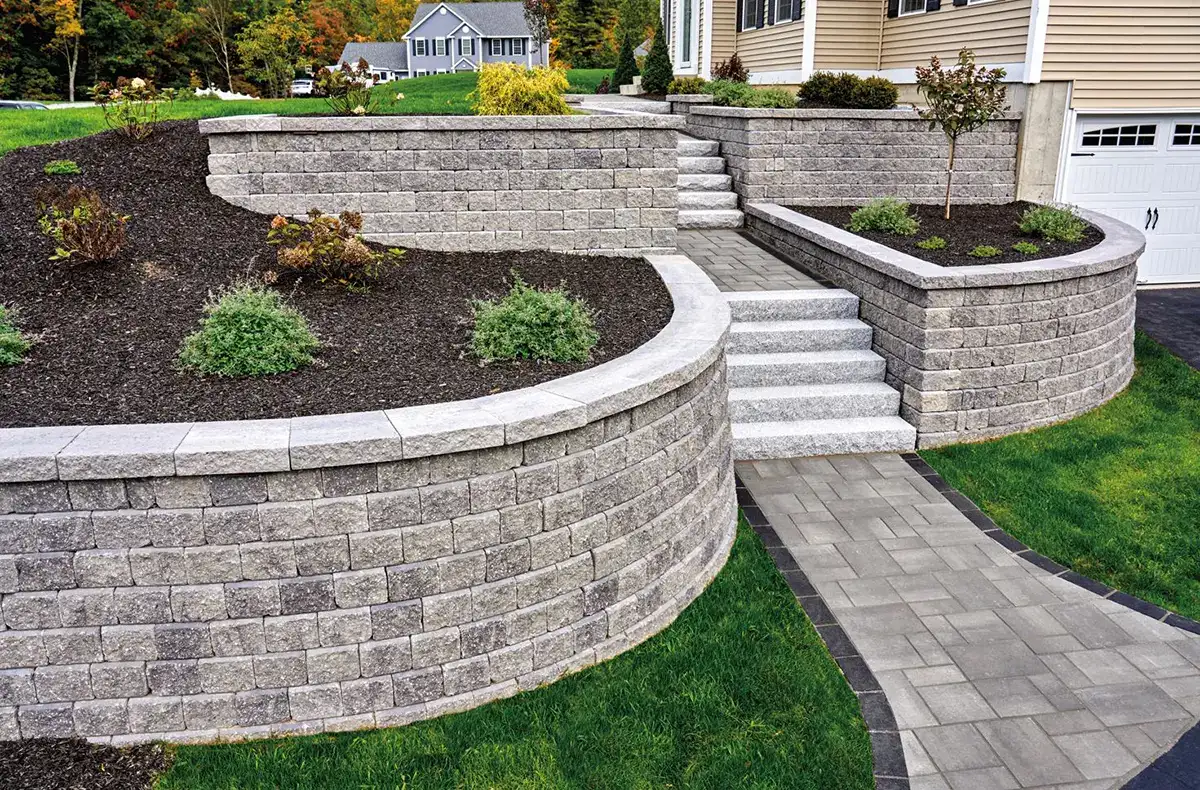
Block Retaining Walls
A practical option for terraced landscaping and mid-height walls throughout the residential streets that climb the valley’s edges.
Natural Stone Retaining Walls
A good choice for front-yard and garden walls on hillside properties overlooking the valley, adding curb appeal without the cost of a full engineered concrete system.
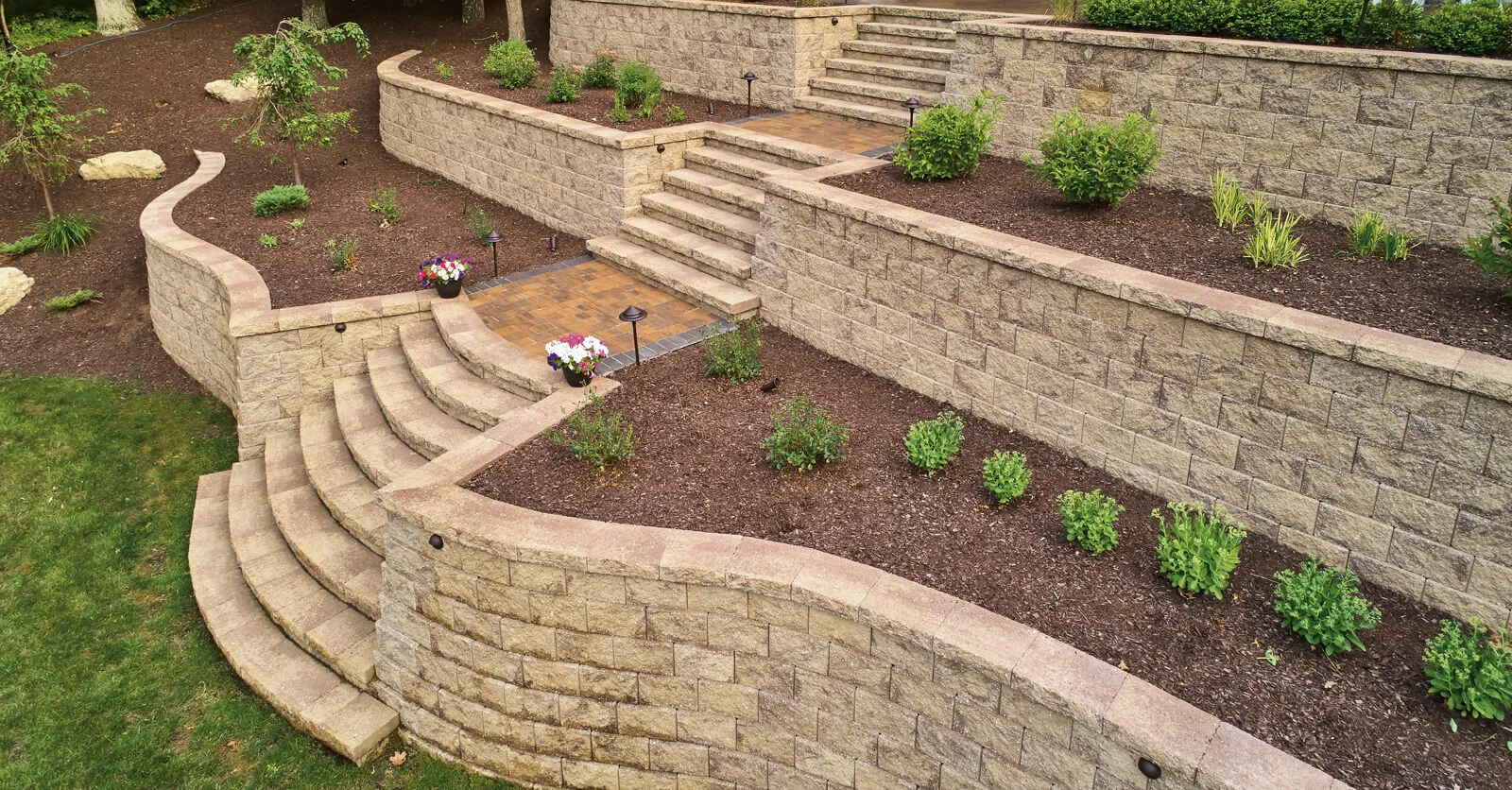
Hillside Retaining Walls
Essential for properties on the valley’s north and south slopes, where tiered wall systems help manage significant elevation change and erosion between the ridge above and the valley floor below.
Let's Start Your Retaining Wall Project in Mission Valley
Let’s chat about your ideas! Getting started is easy – simply reach out with details about your retaining wall project!
What Homeowners Should Know About Retaining Walls in Mission Valley
Mission Valley’s population estimates vary by source and boundary, generally ranging from around 15,000 to 30,000 residents, reflecting a mix of residential condos and apartments alongside the valley’s well-known shopping and hotel corridor. The Mission Valley planning area spans roughly 2,418 acres near the geographic center of San Diego and sits within the San Diego River floodplain, bounded by the northern slopes of the valley, the southern slopes of the valley, the San Diego River to the east, and Interstate 5 to the west. The area is officially divided into Mission Valley East and Mission Valley West.
That valley-and-slope geography creates two very different sets of retaining wall needs:
- Floodplain drainage: Because Mission Valley sits along the San Diego River, drainage design for any wall on the valley floor needs to account for water moving through a flood-prone area, not just a typical slope.
- North and south slope erosion: The hillsides rising toward Mission Hills, Hillcrest, and Serra Mesa/Grantville see meaningful grade change and are more prone to erosion and soil movement than the valley floor itself.
- Mixed development ages: Mission Valley includes decades-old hillside homes alongside newer condo and apartment development, so wall requirements vary significantly depending on where a property sits in the valley.
- River-adjacent soil conditions: Soil closer to the San Diego River tends to be more sediment-rich, which affects footing and drainage design compared to the firmer soil found higher on the valley slopes.
- Slope-to-floor transitions: Properties where a hillside meets the flatter valley floor often need retaining walls specifically to manage that transition safely.
How Much Does a Retaining Wall Cost in Mission Valley?
| Project Type | Typical Cost Range | Factors Affecting Price |
|---|---|---|
| Small garden wall (under 3 ft) | $2,500 – $7,000 | Material, length, site access |
| Block retaining wall (3–5 ft) | $7,000 – $18,000 | Height, base prep, drainage |
| Concrete retaining wall (4–6 ft) | $12,000 – $28,000 | Reinforcement, footing depth, formwork |
| Natural stone wall | $9,000 – $24,000+ | Stone type, labor, height |
| Hillside/slope wall system | $20,000 – $55,000+ | Slope severity, engineering, tier count |
Hillside properties on Mission Valley’s north and south slopes typically cost more per project than flatter valley-floor lots, since erosion control and drainage requirements are more involved on steeper grades. A site visit is the most reliable way to price a Mission Valley project accurately.
Why Choose Retaining Wall Installer Mission Valley?
Local Knowledge of Mission Valley
We understand the difference between a flood-prone valley-floor lot and a hillside property on the valley’s north or south slope, and we design walls to match.
Quality Materials
We select materials suited to each site’s slope, soil, and drainage needs, not a one-size-fits-all approach.
Professional Installation
Every wall is built with proper footing depth, compaction, and drainage — critical for both floodplain and hillside conditions.
Clear Communication
You’ll know the design, timeline, and cost before work starts, with no surprises once we’re on site.
Homeowner-Focused Service
Honest assessments first, including when repair is the smarter option over a full rebuild.
Need Help?
Frequently Asked Questions About Retaining Wall in Mission Valley
Below are some of the most common questions Our Network get from families about Retaining Wall. If you have any other questions contact us!
How much does a retaining wall cost in Mission Valley?
Most projects run $2,500–$18,000 depending on height and material, with hillside slope systems reaching $20,000–$55,000+.
Do valley-floor properties near the San Diego River need retaining walls?
Often yes, mainly for drainage control rather than slope retention, since the floodplain soil behaves differently than the firmer ground higher on the valley slopes.
Why do hillside walls on the valley's edges fail more often than valley-floor walls?
Steeper grades on the north and south slopes create more water pressure and erosion behind a wall, especially in older walls built without adequate drainage.
What's the best wall material for a hillside property overlooking the valley?
Engineered concrete or reinforced block typically performs best on steeper slopes where load-bearing strength is critical.
How tall can a retaining wall be on a Mission Valley hillside?
Walls under 3–4 ft usually need minimal engineering; taller slope walls often require reinforcement or a tiered design.
How long does a retaining wall last in Mission Valley?
40–80 years with proper footings and drainage; walls without adequate drainage on the valley’s slopes can show problems sooner.
Does the San Diego River floodplain affect retaining wall design?
Yes — walls closer to the river need drainage planning that accounts for higher water tables and sediment-rich soil, not just standard slope drainage.
Contact Retaining Wall Installer Mission Valley Today
Mission Valley homeowners choose us because we understand the difference between a flood-prone valley-floor lot and a hillside property on the valley’s north or south slope. We offer free estimates and no-pressure consultations for any retaining wall project, large or small.
We also serve homeowners throughout the greater San Diego area, including: