
Retaining Wall Repair in Mission Valley, CA
Trusted Retaining Wall Repair in Mission Valley, CA for Leaning, Cracked, and Failing Walls
What Is Retaining Wall Repair?
Retaining wall repair is the process of diagnosing and correcting structural or drainage problems in an existing wall to restore its ability to safely hold back soil. It ranges from minor crack sealing to significant rebuilding of failed sections.
The process starts with identifying the underlying cause of the damage, since a wall showing the same symptoms can be failing for very different reasons depending on the site.
Repairs generally fall into a few categories: cosmetic crack repair, structural stabilization of a leaning or bulging wall, drainage system correction, and partial or full section rebuilding where damage is too extensive to patch.
Homeowners typically need this service when they notice visible cracking, leaning, bulging, water pooling near the wall base, or soil eroding out from beneath or behind the structure.
The main benefits of timely repair are preventing further soil loss, protecting structures located above or below the wall, and avoiding the higher cost of a full wall replacement.
Important considerations include how much of the wall is affected, whether the original drainage system needs to be corrected, and whether the repair needs engineering review, which is more likely for taller walls or walls near structures.
Types of Retaining Wall Repair Options Available
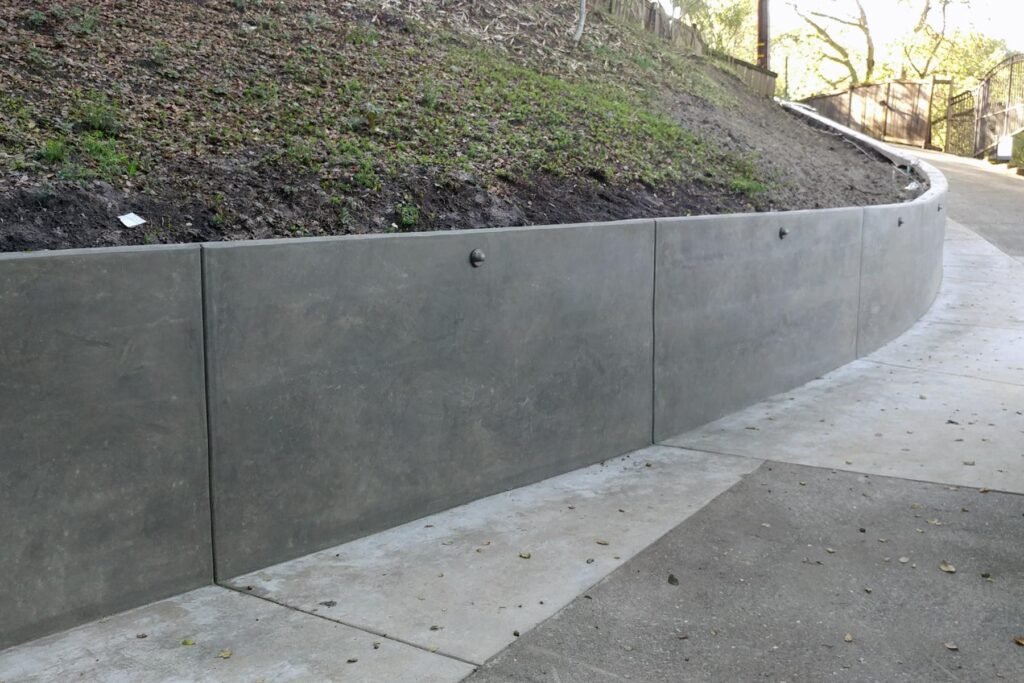
Crack Repair and Sealing
Surface cracks in concrete or mortar joints can often be sealed to prevent water intrusion and stop the crack from spreading further. This is typically the least invasive and most affordable repair option.
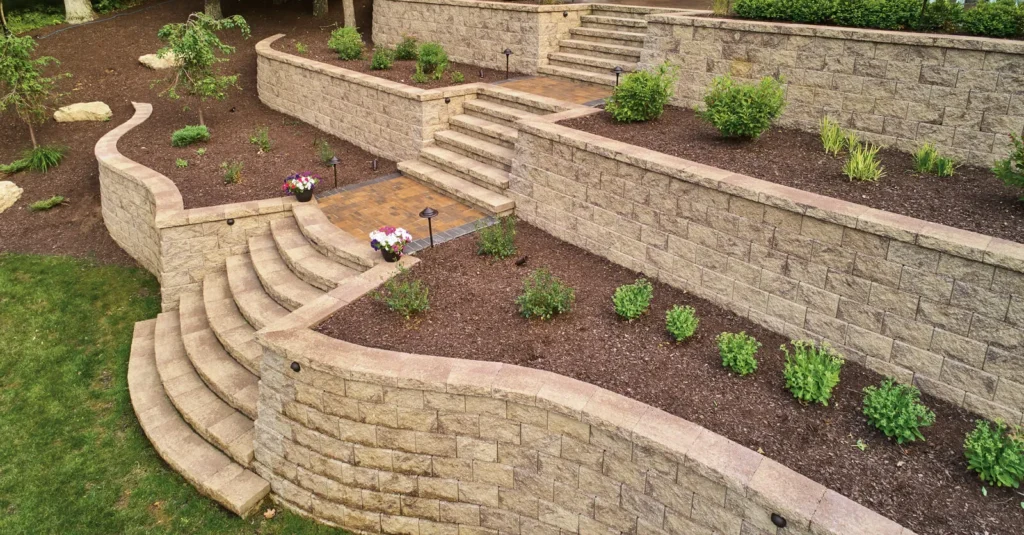
Drainage System Repair and Replacement
When a wall’s drain pipe is clogged, crushed, or was never properly installed, replacing or adding drainage is often the core fix needed to stop ongoing pressure buildup.
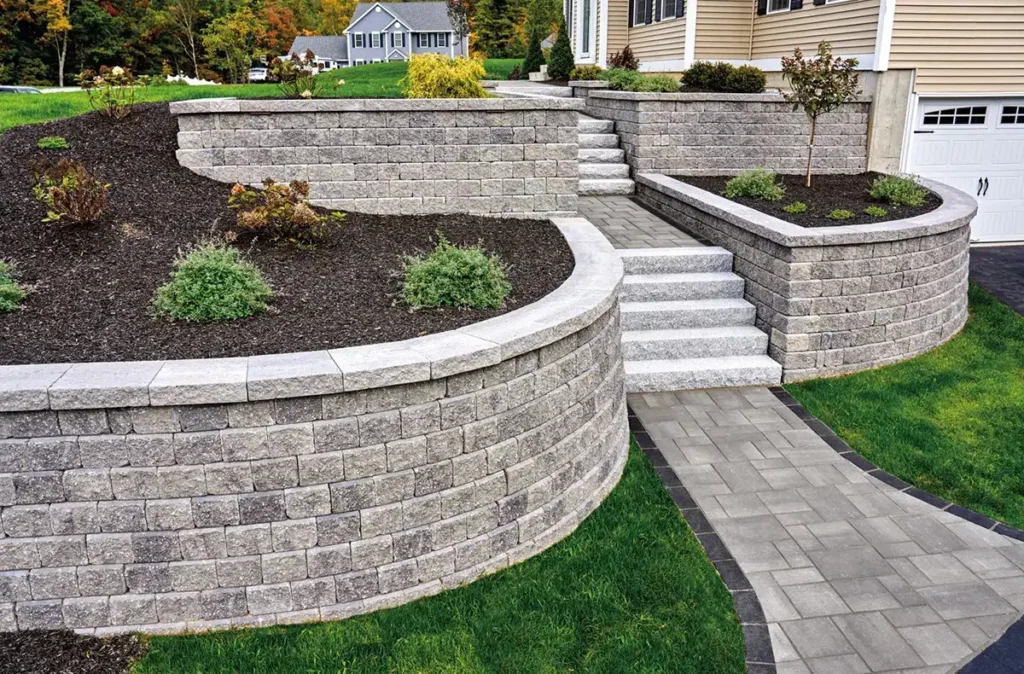
Wall Stabilization and Reinforcement
Leaning or bulging walls that are not yet in full failure can sometimes be stabilized using additional structural support, such as tiebacks, helical anchors, or added reinforcement at the base.
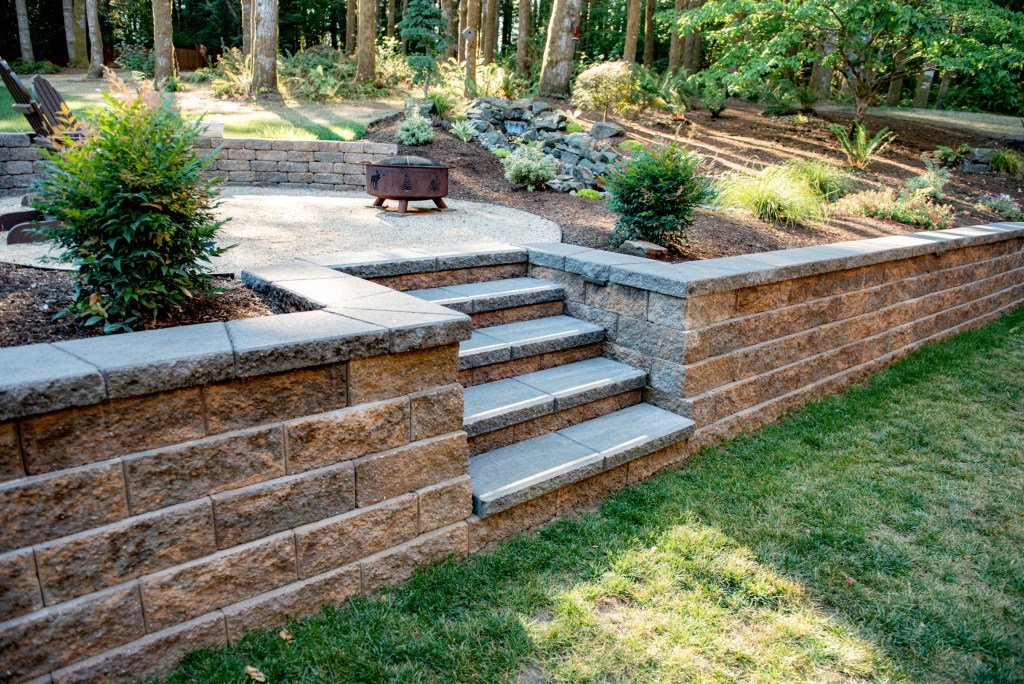
Partial Section Rebuild
When damage is isolated to one section of a longer wall, that portion can be removed and rebuilt while leaving the rest of the structure intact, provided the surrounding sections are still stable.
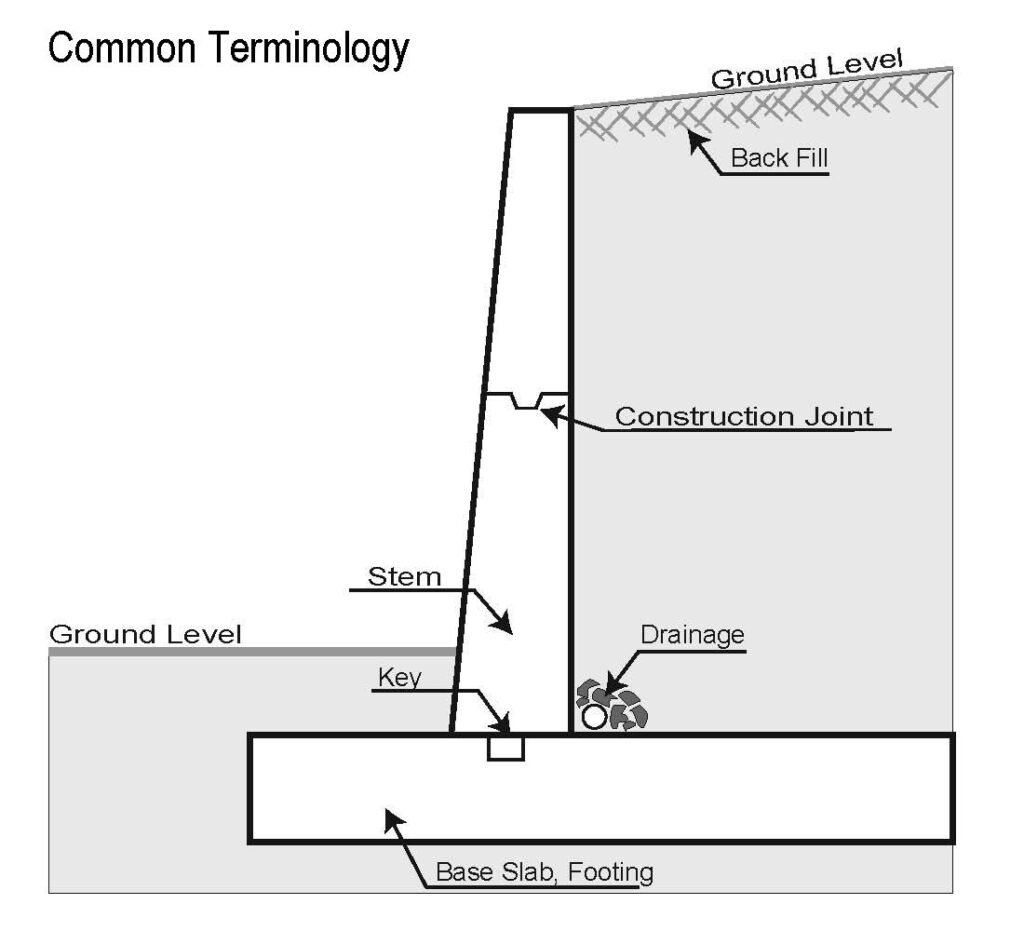
Footing and Foundation Repair
Some wall failures originate below grade, where an undersized or shifted footing no longer provides adequate support. Repairing the footing usually requires excavation at the base of the wall to access and correct the foundation.
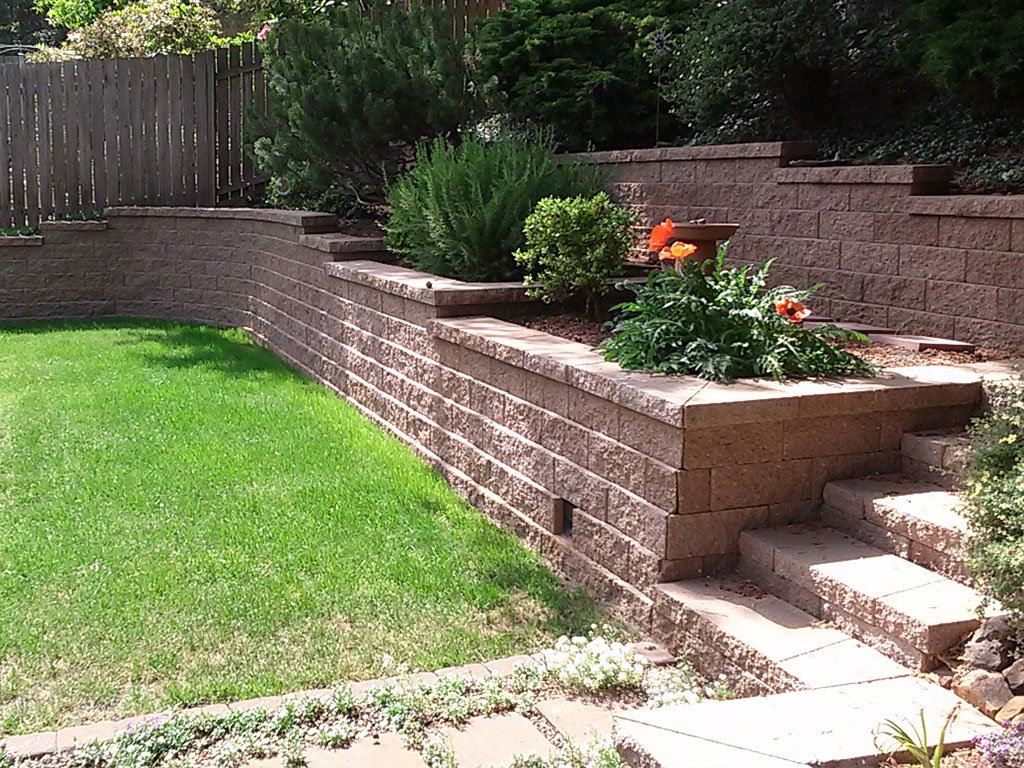
Full Wall Rebuild
When damage is extensive, or when the original wall was undersized or built without adequate drainage, a full rebuild may be the most reliable long-term solution rather than repeated partial repairs.
Benefits of Retaining Wall Repair for Mission Valley Homeowners
Improves Property Functionality
A repaired wall restores the usable flat space it was originally built to create, whether that's a patio, garden bed, or parking area that had become unsafe to use.On Mission Valley's graded lots, that usable space is often limited to begin with, making it more important to keep existing walls functioning correctly.
Helps Manage Slopes and Soil Movement
A failing wall loses its ability to resist the lateral pressure of the soil behind it, which can allow slope movement to resume. Repair restores that resistance before movement accelerates.This is particularly important on hillside and canyon-adjacent properties near Mission Valley, where slope movement can affect more than just the immediate area around the wall.
Improves Drainage and Erosion Control
Many wall failures trace back to a drainage problem rather than the wall structure itself. Correcting clogged or missing drain systems during repair stops water from building up pressure behind the wall again.This matters most during Mission Valley's winter rain season, when short bursts of heavy rainfall put the most stress on a wall's drainage system.
Enhances Outdoor Appearance
A cracked, leaning, or bulging wall is a visible flaw in an otherwise well-maintained yard. Repair restores clean wall lines and a finished appearance to the space.Matching materials and finishes during repair helps the fixed section blend with the rest of the wall rather than standing out as an obvious patch.
Adds Long-Term Property Value
Addressing wall problems early protects the value of the landscaping, hardscaping, and structures the wall supports. It also removes a red flag that could concern a future buyer during a home sale.In Mission Valley, where many homes sit on graded or hillside lots, a documented repair history can reassure buyers that slope stability has been properly maintained.
Let's Start Your Retaining Wall Project in Mission Valley
Let’s chat about your ideas! Getting started is easy – simply reach out with details about your retaining wall project, and we’ll connect you with qualified, licensed contractors.
Retaining Wall Repair in Mission Valley, CA
Mission Valley is a centrally located San Diego neighborhood defined by its river valley setting and the steep canyon slopes that border much of the surrounding terrain. That geography means existing retaining walls throughout the area are under near-constant pressure from soil and drainage conditions.
Mission Valley at a Glance
- Location: Central San Diego, along the San Diego River valley
- Terrain: River valley floor bordered by steep canyon slopes and hillside grading
- Climate: Mediterranean climate with a distinct wet season bringing periodic heavy rainfall
- Housing: A mix of older hillside homes, newer graded developments, and dense residential and commercial construction
Areas We Serve
In addition to Mission Valley, retaining wall repair services extend to nearby San Diego communities, including Point Loma, Hillcrest, Pacific Beach, Coronado, La Jolla, Clairemont, University City, and Mira Mesa.
Why Mission Valley Retaining Walls Often Need Repair
Many retaining walls in Mission Valley were built decades ago, before current drainage and footing standards, which makes them more prone to developing problems over time.
Even newer walls can fail if drainage was not installed or sized correctly during original construction, since the region’s wet-season rainfall puts real demands on a wall’s drainage system.
Soil movement on hillside and canyon-adjacent lots is often gradual, meaning small cracks or slight leaning can be an early warning sign of a larger problem developing behind the wall.
Erosion control is closely tied to wall condition, since a compromised wall can allow soil to wash out from behind it during heavy rain, accelerating damage that started as a minor issue.
How Much Does Retaining Wall Repair Cost in Mission Valley?
Typical Project Cost Ranges
| Project Type | Typical Cost Range | Factors Affecting Price |
|---|---|---|
| Minor crack repair and sealing | $500 – $2,500 | Crack length, material, accessibility |
| Drainage system repair or replacement | $3,000 – $12,000 | Excavation depth, pipe length, backfill volume |
| Wall stabilization or reinforcement | $5,000 – $18,000 | Anchor type, wall height, soil conditions |
| Partial section rebuild | $6,000 – $20,000 | Section size, material match, access |
| Footing or foundation repair | $8,000 – $25,000 | Excavation depth, footing size, site access |
| Full wall rebuild | $15,000 – $50,000+ | Wall height, material, drainage design, engineering |
These ranges are broad estimates based on common repair scopes. Actual pricing depends on the extent of the damage and the specific conditions found on-site.
Factors That Affect Retaining Wall Repair Pricing
Several variables influence what a repair project will cost:
- Extent of damage – A hairline crack costs far less to address than a section showing active soil loss.
- Root cause – Drainage-related failures often cost more to fix properly than cosmetic surface damage.
- Materials – Matching existing concrete, block, or stone can add cost compared to a simple patch.
- Excavation – Repairs that require digging behind or below the wall take more time and labor.
- Site access – Tight side yards or areas without equipment access often require manual excavation.
- Soil conditions – Saturated or unstable soil can complicate excavation and increase labor time.
- Engineering requirements – Structural repairs on taller walls may require engineered plans.
- Wall height – Taller walls carry more soil pressure, which can increase the complexity of stabilization work.
Local Mission Valley Factors That Affect Cost
Mission Valley’s terrain introduces some project-specific cost factors for repair work:
- Sloped lots can make excavation and equipment access more difficult during repair.
- Canyon terrain sometimes means repair work involves steeper grades and more manual labor.
- Drainage systems need to be corrected to handle the rainfall patterns typical of the region, not just patched.
- Urban property access in denser parts of the valley can limit equipment access and increase labor time.
- Existing landscaping near the repair area may need protection or temporary removal.
- Soil conditions in the valley vary by lot and can affect how a footing or drainage repair is approached.
- Local climate, including seasonal rain, affects both the urgency and the design of drainage repairs.
Why Detailed Estimates Matter
A detailed repair estimate should clearly explain the diagnosed cause of the problem, not just the visible symptom being addressed. This helps homeowners understand whether they are paying for a lasting fix or a temporary patch.
Transparent pricing means knowing what excavation, materials, and drainage work are included before the project begins, which helps avoid unexpected costs once repair work is underway.
Why Choose Retaining Wall Installer Mission Valley?
Local Knowledge of Mission Valley Properties
Working regularly in this area means understanding the specific slope conditions, soil behavior, and drainage patterns that commonly cause retaining wall problems in Mission Valley and surrounding canyon-adjacent neighborhoods.
Quality Materials and Construction Practices
Lasting repairs depend on correctly diagnosing the root cause, not just patching the visible damage. Proper footing depth, drainage correction, and compaction practices are followed on every repair project.
Professional Installation Approach
Each repair project follows a structured process from assessment through final inspection, so homeowners understand what caused the problem and what the repair addresses.
Clear Communication From Start to Finish
Homeowners receive a clear explanation of the diagnosed cause, repair options, and pricing before work begins, with clear communication throughout the repair process.
Homeowner-Focused Service
The goal on every repair project is a wall that performs correctly for the long term, not a temporary fix that leaves the underlying problem unresolved.
Need Help?
Frequently Asked Questions About Retaining Wall Repair in Mission Valley
Below are some of the most common questions Our Network get from families about Retaining Wall. If you have any other questions contact us!
How much does retaining wall repair cost in Mission Valley in 2026?
As of 2026, minor crack repair typically runs $500 to $2,500, drainage system repair runs $3,000 to $12,000, and a full wall rebuild can run $15,000 to $50,000 or more depending on height and material. The exact cost depends on the root cause of the damage, which is why an on-site assessment is needed before pricing a repair accurately.
How do I know if my retaining wall needs repair or full replacement?
Cracks under about 1/4 inch with no visible bulging or leaning can often be repaired, while a wall leaning more than 1 to 2 inches out of plumb, or showing active soil loss at the base, typically needs partial or full rebuilding. A site evaluation is the most reliable way to determine which category your wall falls into.
How long does a typical retaining wall repair take?
Minor crack sealing can often be completed in a single day, drainage repairs typically take 2 to 5 days, and a partial or full wall rebuild can take 1 to 4 weeks depending on the size and complexity of the section involved.
What are the first signs that a retaining wall needs repair?
Common early signs include visible cracks wider than a hairline, a wall face that appears to bow or lean outward, water pooling at the base instead of draining away, and soil settling or gaps forming near the top of the wall. Catching these signs early typically keeps repair costs lower.
Can a leaning retaining wall be fixed without rebuilding it?
In some cases, yes. If the wall has moved less than about 1 to 2 inches out of plumb and the core structure is still sound, stabilization methods like anchors or added reinforcement can often correct the lean without a full rebuild.
Will my retaining wall repair include a drainage fix, or just the crack?
A proper repair should address the root cause, which is often a drainage issue, not just the visible crack or lean. Sealing a crack without correcting a drainage problem behind it usually means the same damage returns within a year or two.
How urgent is it to repair a bulging or leaning retaining wall?
A wall showing active bulging, leaning, or soil loss should be addressed promptly, since these conditions often worsen with each rain event rather than staying stable. Delaying repair on an actively failing wall typically increases both the cost and the risk to the property.
Contact Retaining Wall Installer Mission Valley Today
A cracked, leaning, or bulging retaining wall in Mission Valley rarely improves on its own, and addressing it early is almost always more affordable than waiting for the damage to spread. Whether the issue is a simple crack or a wall showing signs of structural failure, an accurate diagnosis is the first step toward the right fix.
A free, no-pressure consultation is available to evaluate the wall, explain the likely cause, and provide a detailed repair estimate. This service extends to Mission Valley and surrounding communities, including Point Loma, Hillcrest, Pacific Beach, Coronado, La Jolla, Clairemont, University City, and Mira Mesa.